Mobility-related information website

Thermally Conductive Silicone Gap Filler
SEMICOSIL® 967
- Power train
- Electronics
- Batteries
Marketing Areas
- ALL
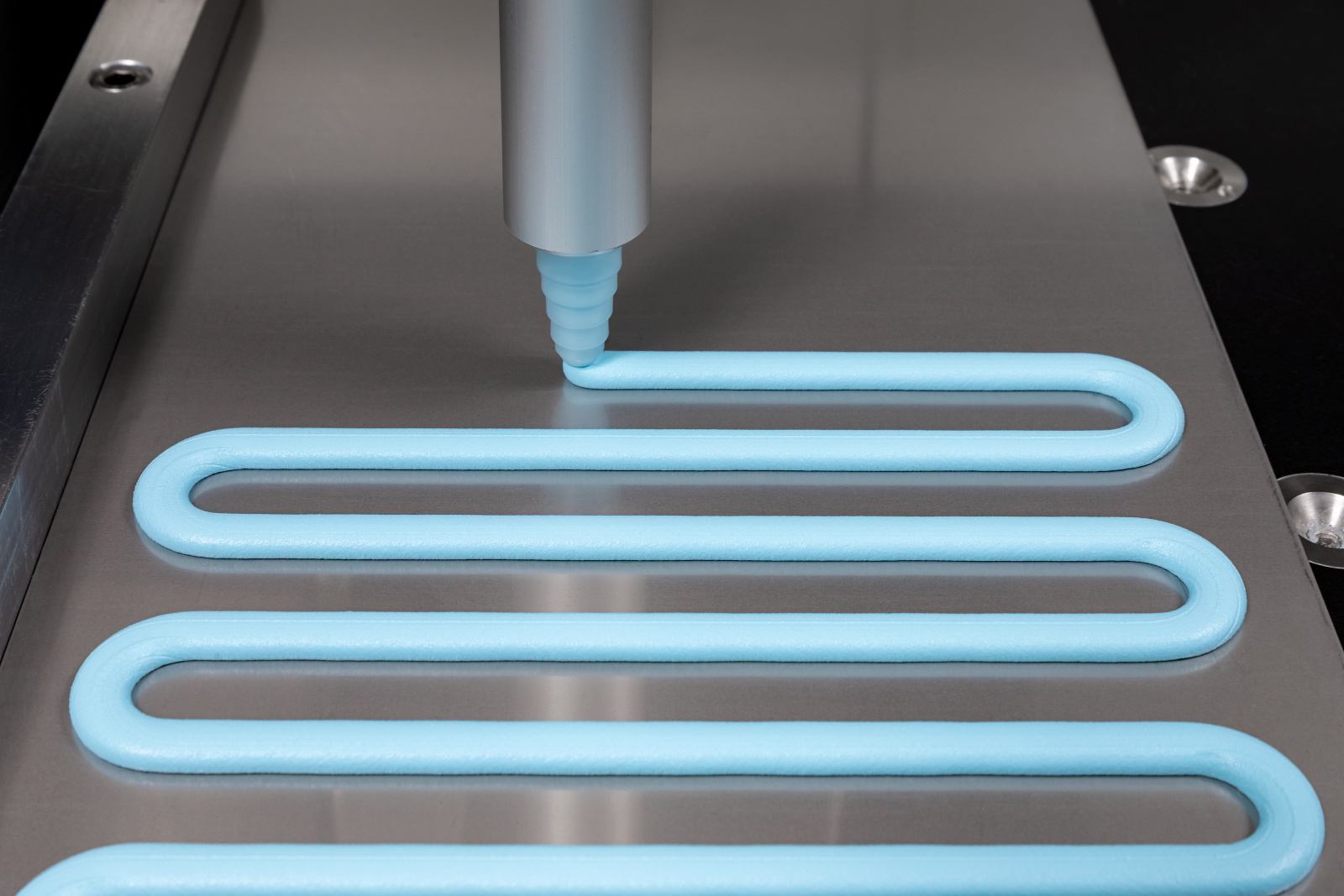
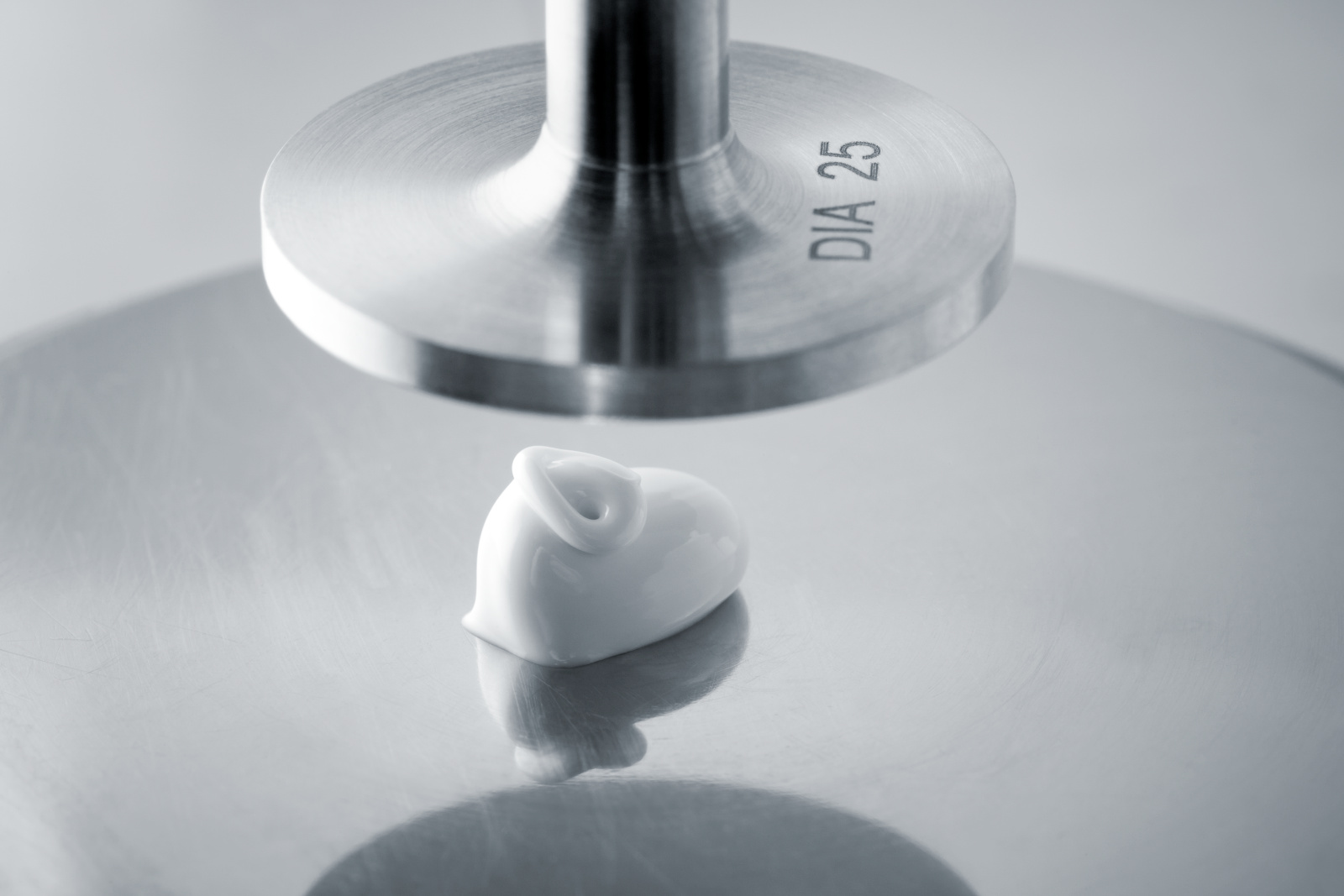
SEMICOSIL® thermal gap fillers combine high thermal conductivity with excellent flowability, providing efficient heat transfer by filling gaps between heat sinks and modules.
Feature
- High thermal conductivity and low viscosity
- Flexible performance across wide temperatures
- Superior resistance to pump-out and bleed-out
Usage
- EV/HEV batteries
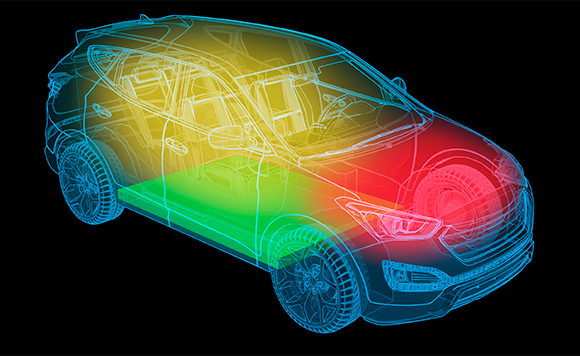
As automotive devices and batteries evolve, thermal management and durability are becoming increasingly important. The SEMICOSIL® series delivers excellent heat dissipation and can withstand harsh environments.
As automotive devices and batteries evolve, thermal management and durability are becoming increasingly important. The SEMICOSIL® series delivers excellent heat dissipation and can withstand harsh environments.
High thermal conductivity and low viscosity
A broad product lineup is available with thermal conductivity ranging from 2W/m·K to 8W/m·K. Its low viscosity enables it to accommodate surface irregularities, reducing interface thermal resistance. By reliably filling gaps, heat from automotive batteries and electronic devices is effectively dissipated, delivering superior thermal performance.
Flexible performance across wide temperatures
Utilizing the unique properties of silicone, it maintains stable physical characteristics across a wide temperature range from -50°C to +180°C. Even after curing, it retains flexibility and adjusts to the shape of the substrate, helping to relieve stress.
Superior resistance to pump-out and bleed-out
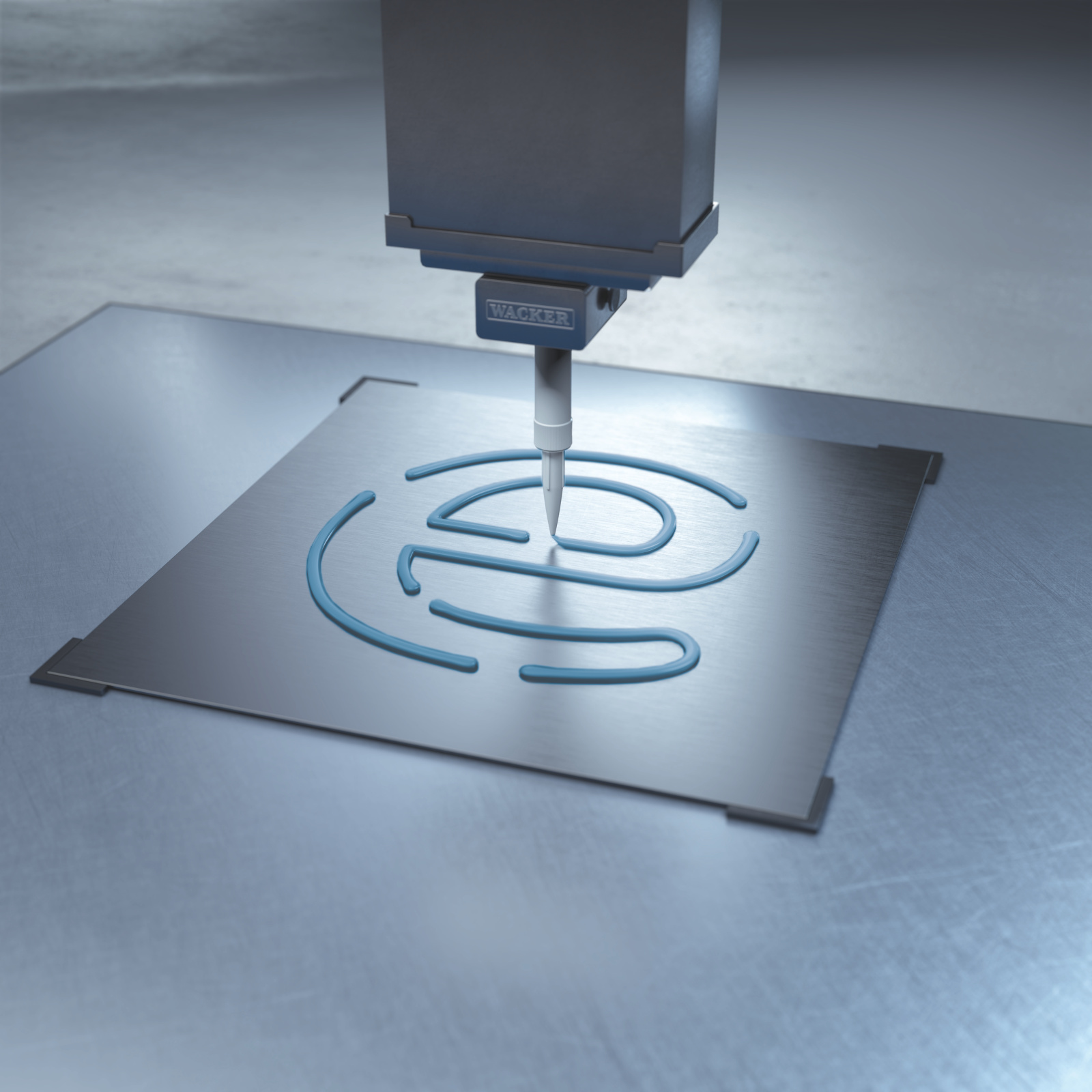
As a two-component, room-temperature curing material, it prevents issues such as pump-out or bleed-out caused by thermal expansion and contraction of the substrate. Its thixotropic properties allow precise control of the intended shape and application thickness.
EV/HEV batteries
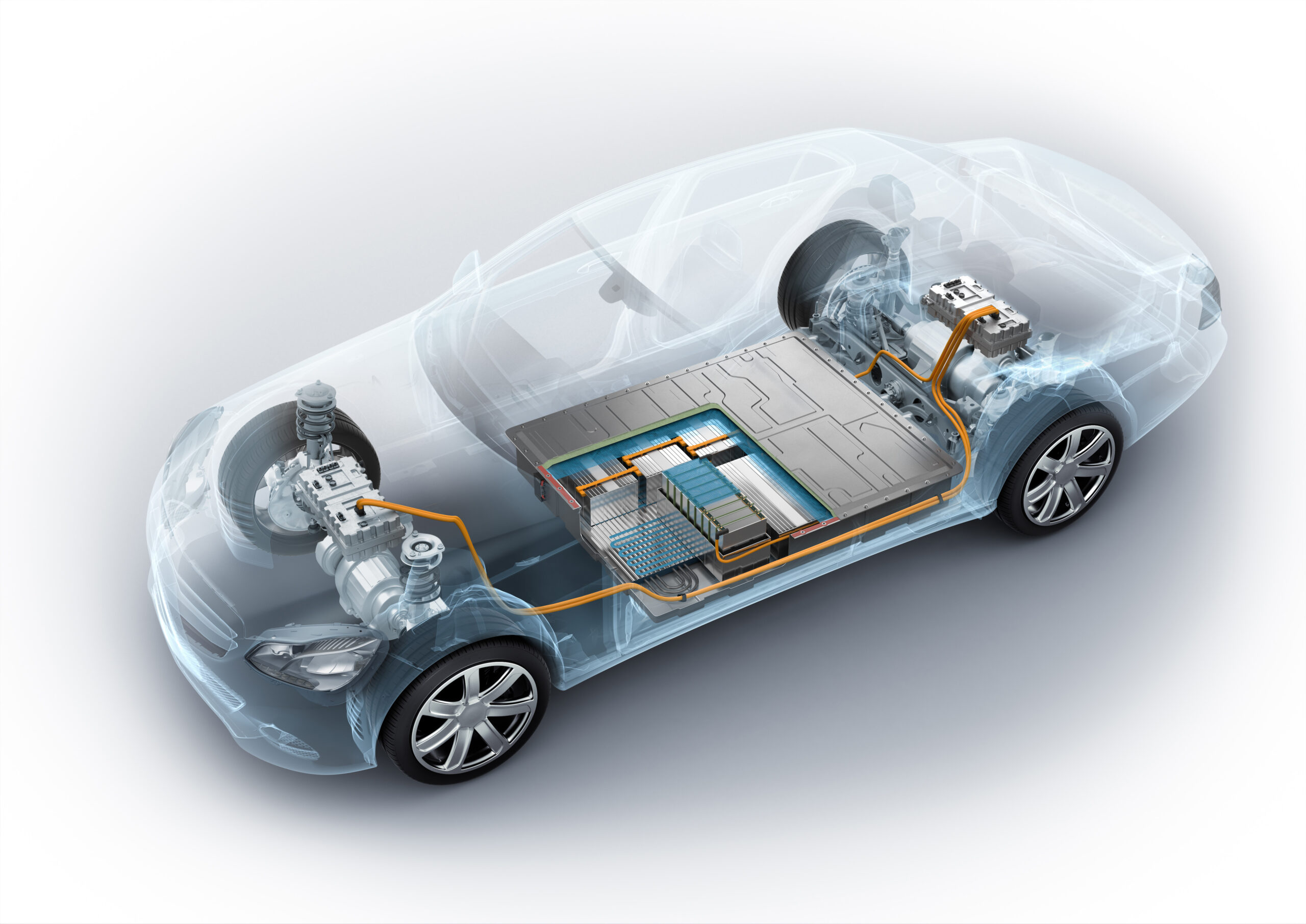
Highly flowable thermal gap fillers fill the gaps between heat sinks and modules, providing excellent heat dissipation. These advantages have driven wider use in EV/HEV battery cells. Sales are also expanding for electro-device applications that demand high thermal performance due to the miniaturization of electronic components.
Product Q&A
QHow does it differ from thermal pads?